
TL;DR
Saba and St. Eustatius (Statia) are tiny Dutch Caribbean islands offering quiet, nature-rich living far from the resort crowds. Saba real estate is dominated by charming hillside cottages and homes around Mount Scenery, typically $200,000 to $700,000, with steady demand from the medical school community. Statia is even quieter and often more affordable. Both use the US dollar, allow freehold foreign ownership, and reward buyers seeking authenticity, hiking, and world-class diving over beaches and nightlife.
Table of Contents
- Meet the Sister Islands: Saba and Statia
- What Makes the Saba Real Estate Market Different
- Statia: The Quieter Investment
- Property Types and Prices
- The Practicalities: Ownership, Currency, and Access
- Who Should Buy on Saba or Statia
- How We Help You Buy from Afar
- FAQ: Saba and Statia Property
Meet the Sister Islands: Saba and Statia
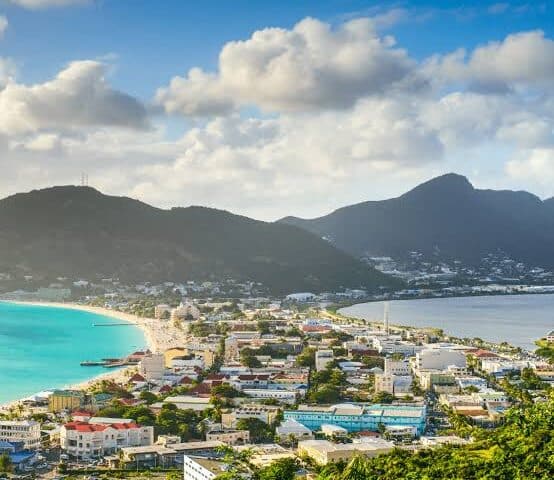
Just a short hop from Sint Maarten lie two of the Caribbean’s best-kept secrets. Saba and St. Eustatius, known affectionately as Statia, are special municipalities of the Netherlands, part of what is called the Caribbean Netherlands. They are small, green, and gloriously unhurried, and they could not be more different from the bustling resort islands nearby.
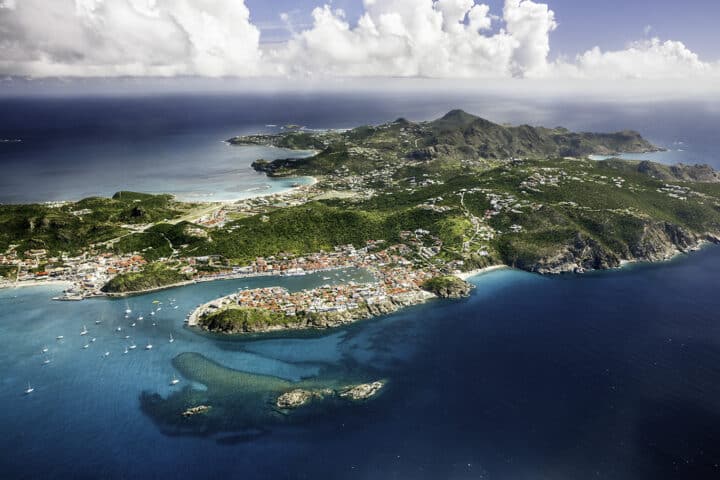
Saba is barely five square miles, a single volcanic peak rising from the sea, crowned by Mount Scenery, the highest point in the entire Kingdom of the Netherlands. There are no sprawling beaches here. Instead you get storybook villages of white cottages with red roofs and green shutters, rainforest trails, and some of the finest diving on the planet. Statia, a bit larger and flatter, carries a rich history as the “Golden Rock” trading powerhouse of the 1700s, and today offers quiet streets, historic ruins, and pristine dive sites.
If you have spent any time exploring our Sint Maarten and Eastern Caribbean listings, these sister islands are the natural next chapter for buyers craving genuine peace and nature.
What Makes the Saba Real Estate Market Different
The Saba real estate market is small, characterful, and surprisingly resilient, and understanding why helps you buy wisely. Inventory is limited by geography. With so little flat, buildable land, homes are mostly perched on hillsides with dramatic ocean and mountain views, and turnover is modest. When a well-located cottage comes up, it tends to attract serious interest.
Two factors give Saba real estate steady underlying demand. First, the Saba University School of Medicine brings a rotating community of students, faculty, and staff who need housing, supporting a reliable rental market. Second, the island’s eco-tourism appeal draws divers, hikers, and nature lovers who fall for the place and want a foothold. That combination keeps quality properties in demand even though the overall market is tiny.
What you will not find is volatility driven by mega-resorts or speculative towers, because Saba simply does not allow that kind of development. The island’s protected character is precisely its value, and it tends to attract buyers who appreciate that for the long term.
Statia: The Quieter Investment
If Saba is quiet, Statia is quieter still, and that is its charm. St. Eustatius sees fewer buyers, which often means more room to negotiate and more value per dollar. Property here ranges from historic homes in and around Oranjestad to newer builds and parcels of land with sweeping views toward the Quill, the island’s dormant volcano.
Statia’s economy has long been anchored by its oil terminal and government services, and the island is investing in tourism around its diving and heritage. For a patient buyer, that quiet, slowly developing profile can be appealing: lower entry prices, genuine community, and a sense of getting in early on an undiscovered place. It is not a fast-flip market, and we would never present it as one. It is for buyers who value tranquility and authenticity and who are comfortable with a smaller, slower market.
Property Types and Prices
Both islands trade in a different rhythm than Sint Maarten, with limited inventory and prices that reflect location, views, and condition. Treat these as realistic ranges rather than fixed figures, and remember that the right cottage in the right village can command a premium.
| Property Type | Island | Typical Price Range (USD) | Notes |
| Building lot / land | Saba or Statia | $50,000–$200,000 | Limited buildable land on Saba |
| Cottage / 2-bed home | Saba | $200,000–$450,000 | Classic hillside character |
| Larger home with views | Saba | $450,000–$700,000+ | Premium for ocean and Mt. Scenery |
| Historic / town home | Statia | $150,000–$350,000 | Often better value than Saba |
| Newer build with views | Statia | $300,000–$550,000 | Toward the Quill or coast |
Because listings are scarce and move within tight communities, having someone with on-the-ground relationships matters more here than in any larger market. Our team keeps a pulse on what is genuinely available, including quiet sales that never hit a public portal. You can start a conversation any time through our contact page.
The Practicalities: Ownership, Currency, and Access
Here is the reassuring news for North American buyers. As part of the Caribbean Netherlands, both Saba and Statia use the US dollar as official currency, so there is no exchange-rate guesswork. Foreigners can purchase freehold property with strong legal protections, and transactions are handled through a civil-law notary, much like elsewhere in the Dutch Caribbean.
A few practicalities to plan for:
- Access is via Sint Maarten. Saba is a short, scenic flight to the world’s shortest commercial runway, or a ferry ride; Statia is reached by a quick flight as well.
- Closing costs typically add several percent above the purchase price, including transfer tax and notary fees.
- Building on Saba is regulated to protect the island’s character, so confirm what is permitted before buying land.
- Financing is more limited than on larger islands, so many purchases are cash; our mortgage calculator helps you model scenarios if you are exploring financing.
None of this is difficult with the right guidance, and we walk every client through it step by step so the process feels clear rather than daunting.
Who Should Buy on Saba or Statia
These islands are not for everyone, and we say that with affection. They suit a particular and wonderful kind of buyer.
You will love it here if you dream of a peaceful retreat surrounded by nature, if you are a diver or hiker who wants world-class trails and reefs at your doorstep, or if you want a genuine community where neighbors know your name. Retirees seeking calm, remote professionals craving focus, and investors drawn to Saba’s medical-school rental demand all find a fit. Saba real estate in particular rewards those who value character and views over square footage and glamour.
You may prefer elsewhere if your heart is set on white-sand beaches, resorts, shopping, and nightlife. In that case, the larger islands in our portfolio, from Sint Maarten to Anguilla and Antigua, will serve you better, and we are delighted to show you those too. For a taste of high-end options across the region, our Platinum Dreams collection is a lovely place to wander.
How We Help You Buy from Afar
Buying property on a small island you may have visited only once or twice can feel intimidating. It should not, and that is where we come in. Our philosophy is simple: integrity, dedication, and yes, a bit of fun along the way.
We bridge the distance for you. That means honest video walkthroughs and real photos rather than flattering angles, candid assessments of a property’s true condition and location, and coordination with notaries, inspectors, and local contacts so you are never navigating alone. Whether you are buying a Saba cottage to live in, a Statia home to rent, or a vacation property to enjoy, we treat your purchase as carefully as we would our own. You can read what past clients say on our testimonials page, and explore rental and holiday options through our rent and vacation listings.
FAQ: Saba and Statia Property
Can foreigners buy real estate on Saba or Statia?
Yes. Both islands are part of the Caribbean Netherlands, where foreigners can buy freehold property with strong legal protections. Purchases close through a civil-law notary, similar to the rest of the Dutch Caribbean.
How much does Saba real estate cost?
Building lots typically run $50,000 to $200,000, cottages and two-bedroom homes around $200,000 to $450,000, and larger homes with prime views $450,000 to $700,000 or more. Limited inventory keeps quality properties in demand.
Is Statia cheaper than Saba?
Often, yes. St. Eustatius is a quieter market with fewer buyers, which can mean more negotiating room and better value per dollar, especially for historic town homes and building parcels.
What currency is used on Saba and Statia?
Both islands use the US dollar as their official currency, which removes exchange-rate uncertainty for North American buyers and simplifies budgeting and closing.
How do you get to Saba and Statia?
Both are reached from Sint Maarten. Saba has a short, scenic flight to a famously small runway plus a ferry option, and Statia is a quick flight away. Many owners use Sint Maarten as their regional gateway.
Saba and Statia reward buyers who treasure nature, quiet, and authenticity over crowds and glamour. When you are ready to explore what is genuinely available, browse our buy listings or reach out through contact, and we will guide you the whole way with honesty and care.
Explore more st maarten real estate opportunities across the island with Island Dreams Realty.