
TL;DR
Buying off-plan in Sint Maarten means purchasing a condo or villa before it is finished, usually at a 5 to 15 percent discount to completed comparable units. You typically pay a 10 to 30 percent reservation deposit, then staged payments tied to construction milestones, with the balance due at handover. The model rewards patience and rewards due diligence: vet the developer, secure your deposit in escrow, and read the completion clauses carefully.
Table of Contents
What Off-Plan Buying Actually Means
Why Buyers Choose Pre-Construction in Sint Maarten
How the Payment Schedule Works
The Risks and How to Protect Yourself
Off-Plan vs Completed Property
FAQ: Pre-Construction Property in Sint Maarten
What Off-Plan Buying Actually Means
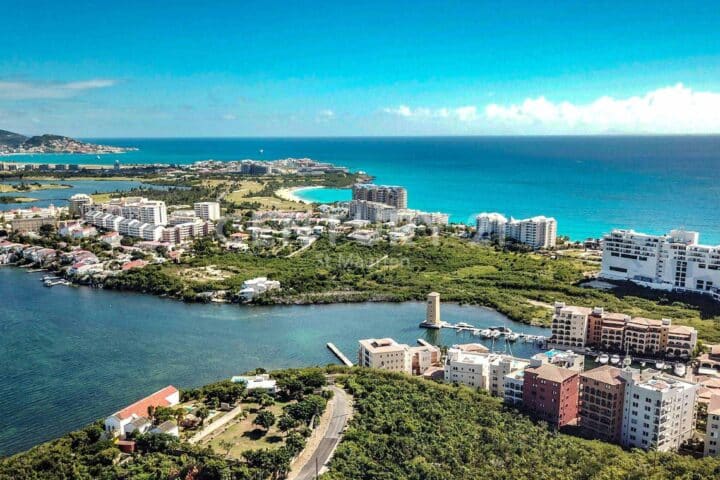
Off-plan property is real estate you commit to buy before construction is complete, sometimes before a single block has been laid. You are buying from architectural plans, renderings, and a specification sheet rather than walking through finished rooms. In Sint Maarten, this most often applies to condominium developments and boutique villa communities in areas like Cupecoy, Pelican Key, and the hillsides above Simpson Bay. For many buyers, pre construction caribbean ownership is their first taste of the island property market, drawn by the chance to buy quality at an early-stage price.
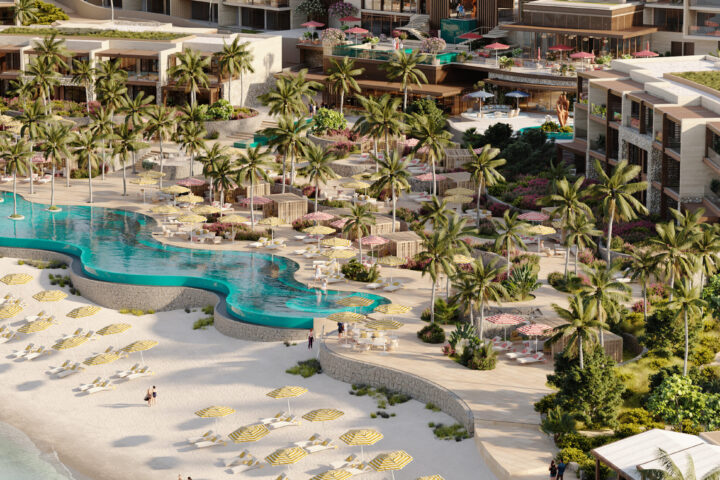
The appeal of pre construction caribbean property is straightforward: you lock in today’s price for an asset delivered in 12 to 30 months. If the market rises during the build, that appreciation is yours. You also get first pick of the best units, the corner condos with two-sided views, the ground-floor garden suites, and the penthouses, before they reach the open market.
The trade-off is that you are buying a promise. The finished product depends on the developer delivering on time, on budget, and to the agreed standard. That is why the structure of the deal matters as much as the property itself.
Why Buyers Choose Pre-Construction in Sint Maarten
Several factors make off-plan attractive on this island specifically, and they explain why pre construction caribbean property keeps drawing international interest.
Price advantage. Developers discount early-stage units to fund construction. Buying in the first release often means a 5 to 15 percent saving versus the same unit sold after completion.
Modern building standards. Post-2017 construction on Sint Maarten increasingly reflects hurricane-resilient design, with reinforced concrete, impact-rated windows, and elevated electrical systems. New builds start from a higher baseline than older stock.
Payment flexibility. Staged payments let you spread the cost over the construction period rather than financing the full amount up front.
Rental-ready finishes. Many developments are designed with the short-term rental market in mind, with turnkey furnishing packages and on-site management options. If you plan to list the unit, our vacation rental resources can help you understand realistic occupancy.
For buyers weighing a long-term hold against rental income, the math often favors a new, low-maintenance unit. You can model the financing side using our mortgage calculator before committing capital.
How the Payment Schedule Works
Off-plan deals are built around milestone payments, and understanding this structure is central to buying pre construction caribbean real estate wisely. The exact structure varies by developer, but a typical schedule on Sint Maarten looks like this.
| StageStage | TriggerTrigger | Typical PaymentTypical Payment |
|---|---|---|
| ReservationReservation | Signing the reservation agreementSigning the reservation agreement | 10–30% deposit10–30% deposit |
| FoundationFoundation | Foundation and ground slab completeFoundation and ground slab complete | 10–20%10–20% |
| StructureStructure | Walls and roof structure completeWalls and roof structure complete | 15–25%15–25% |
| FinishingFinishing | Interior finishes, plumbing, electricalInterior finishes, plumbing, electrical | 15–25%15–25% |
| HandoverHandover | Keys, title transfer, final inspectionKeys, title transfer, final inspection | Remaining balanceRemaining balance |
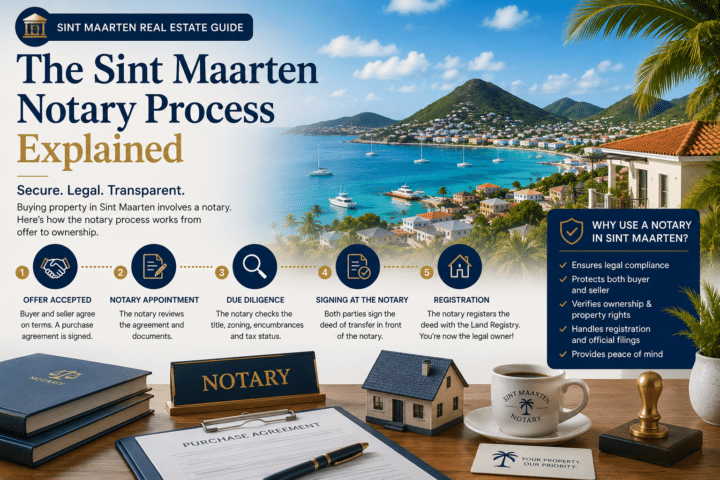
A few points worth understanding. The reservation deposit is the riskiest money because it is paid earliest, before much is built. Always insist that deposits sit in a notary escrow account (in Sint Maarten, property transfers run through a civil-law notary) rather than going directly to the developer’s operating account. This single safeguard separates a recoverable deposit from an unrecoverable one if the project stalls.
Closing costs are separate from the purchase price. Budget roughly 4 to 6 percent of the price for transfer tax, notary fees, and registration. If you are financing, factor in lender fees as well.
The Risks and How to Protect Yourself
Honesty serves you better than optimism here. Off-plan carries real risks, and the smart move is to price them in and mitigate them.
Completion delay. Construction timelines slip. A 30 to 90 day overrun is common; a year-plus delay signals trouble. Negotiate a long-stop date, the deadline after which you can walk away and recover your deposit.
Specification drift. The finished unit may differ from the renderings. Get the specification sheet, materials list, and floor plans attached to the contract as binding annexes, not marketing brochures.
Developer insolvency. If the developer fails mid-build, escrowed funds and a clear title position protect you. Funds paid directly to a developer who then goes under are usually lost.
Market shift. Prices can fall as well as rise during the build. A discount at purchase cushions this, but never buy off-plan assuming guaranteed appreciation.
Title and permits. Confirm the developer holds clear title to the land and full building permits before you sign. A reputable agent will verify this for you.
The protective pattern is consistent: escrow your deposits, bind the specs in the contract, secure a long-stop date, and verify title and permits independently. None of this is exotic. It is standard practice that experienced buyers simply refuse to skip. Our frequently asked questions page covers several of these safeguards in plain language.
It also helps to keep your risk in proportion to your timeline. Buyers who plan to hold a unit for ten years can ride out a soft patch in the market or a few months of construction delay without much pain. Buyers who need to flip quickly or who are stretching their budget to the limit have far less room for the surprises that off-plan projects inevitably produce. Be honest with yourself about which buyer you are before you commit, because the structure that protects one profile can frustrate the other.
How to Vet a Developer
The developer is the single biggest variable in an off-plan purchase. Track record beats marketing every time.
Completed projects. Ask to visit or view a development the same team has already finished and handed over. Talk to owners there if you can.
Financial backing. Understand how the project is funded. Developments backed by buyer deposits alone are more fragile than those with bank financing or strong equity.
Build quality. Inspect a finished unit, not just a show model dressed for sale. Look at the joinery, the tiling, the AC installation, the waterproofing details.
Reputation. A developer who has delivered repeatedly on the island has a name to protect. Read what past buyers say; our testimonials reflect the kind of long-term relationships that matter in a small market like Sint Maarten.
A trustworthy developer welcomes these questions. Evasiveness is itself an answer.
It is also worth understanding how the developer handles the period after handover. The best teams stand behind their work with a defects or warranty period, typically covering structural and systems issues for a defined window after you take the keys. Ask what that warranty covers, how long it lasts, and how snagging items are resolved. A developer who has thought carefully about the months following completion is usually one who has built well in the first place. Conversely, a team that goes quiet the moment a deposit clears is showing you exactly how the rest of the relationship will feel. In a small island market where the same names recur, a developer’s post-sale conduct becomes common knowledge quickly, which is one more reason reputation is such a reliable signal.
Off-Plan vs Completed Property
Both paths are valid. The right one depends on your timeline, risk tolerance, and goals.
| FactorFactor | Off-PlanOff-Plan | CompletedCompleted |
|---|---|---|
| PricePrice | Lower (early-release discount)Lower (early-release discount) | Market rateMarket rate |
| AvailabilityAvailability | Pick of best unitsPick of best units | Whatever is unsoldWhatever is unsold |
| Move-in timingMove-in timing | 12–30 months12–30 months | ImmediateImmediate |
| CertaintyCertainty | Renderings and specsRenderings and specs | What you see is what you getWhat you see is what you get |
| Risk profileRisk profile | Higher (completion risk)Higher (completion risk) | LowerLower |
| CustomizationCustomization | Often possibleOften possible | LimitedLimited |
If you need a home or rental income now, a completed unit removes uncertainty. If you can wait, want the best unit at the best price, and you do your due diligence, off-plan can deliver strong value. Buyers who want to compare available finished homes can browse our current buy listings alongside any pre-construction options.
FAQ: Pre-Construction Property in Sint Maarten
How much deposit do I need to reserve an off-plan unit?
Reservation deposits typically run 10 to 30 percent of the purchase price. The exact figure depends on the developer and the construction stage at which you buy. Insist that this deposit be held in notary escrow.
Can foreigners buy pre-construction property in Sint Maarten?
Yes. Sint Maarten has no nationality restrictions on property ownership. Foreign buyers purchase off-plan on the same terms as residents, with the transaction handled through a local civil-law notary.
What happens to my money if the developer goes bankrupt?
If your deposits were held in proper escrow and your contract protects your position, you are far more likely to recover funds. Money paid directly into a developer’s operating account is the most exposed and often unrecoverable.
How long does construction usually take?
Most condo and villa projects on Sint Maarten complete within 12 to 30 months, depending on size and complexity. Build in a buffer and negotiate a long-stop date so a reasonable delay does not trap your capital.
Is off-plan a good investment for rental income?
It can be. New units carry low maintenance, modern hurricane-resilient construction, and rental-ready finishes that perform well in the short-term market. Model your occupancy and costs conservatively before counting on rental returns.
Buying off-plan rewards the prepared. Done with care, a pre construction caribbean purchase locks in your price, protects your deposit, and puts you in a strong position long before the keys change hands. If you would like guidance tailored to your budget and timeline, reach out to our team and we will walk you through the current pre-construction opportunities across the island.
Explore more st maarten real estate opportunities across the island with Island Dreams Realty.