
TL;DR: Mullet Bay is a beachfront resort district on the Dutch side of St. Maarten known for its long white-sand beach, an 18-hole golf course, and a mix of condo resorts and villas that attract both vacationers and buy-to-let investors. Property here ranges from resort-style condos to larger private villas, with prices generally running below Simpson Bay’s premium waterfront but above inland Dutch-side neighborhoods, and foreign buyers, including US citizens, can purchase property freely under Sint Maarten’s open ownership laws.
- Capture strong rental demand by targeting Mullet Bay’s beachfront condos, which stay booked during peak winter season due to the area’s golf course and calm swimming beach.
- Confirm ownership structure early, since most Mullet Bay properties are sold as long-lease land with freehold structures, which differs from fee-simple ownership common in the US.
- Compare Mullet Bay pricing against Simpson Bay and Cupecoy before committing, since Mullet Bay often delivers a lower entry price for similar beach access.
- Budget for the full closing cost stack, including transfer tax, notary fees, and legal fees, which together typically add a meaningful percentage on top of the purchase price.
- Scale rental income by pairing short-term vacation rental platforms with a local property manager familiar with Sint Maarten’s tourism licensing requirements.
Why Mullet Bay Stands Out on St. Maarten
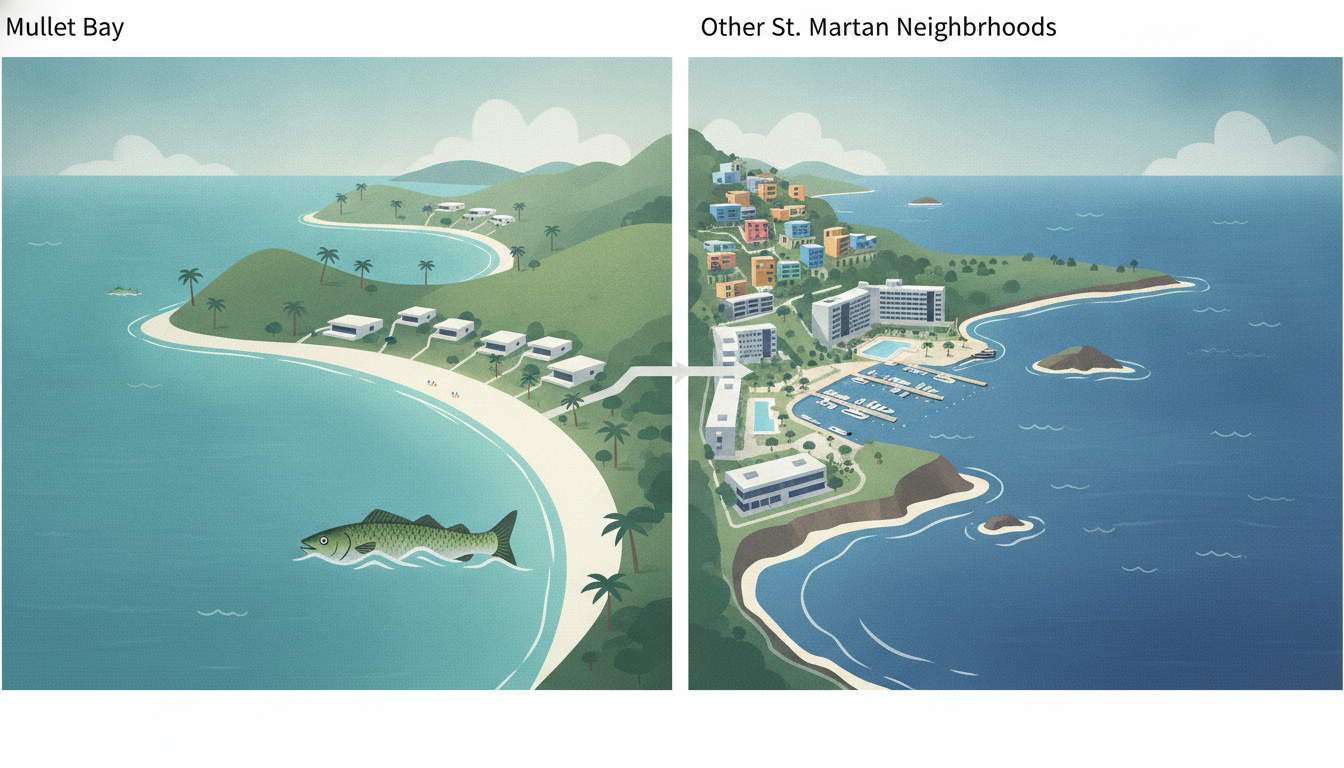
Mullet Bay stands out because it combines a mile-long white-sand beach with St. Maarten’s only 18-hole golf course, a rare pairing in the Eastern Caribbean that draws a steady mix of vacationers, snowbirds, and long-term residents. Unlike the marina buzz of Simpson Bay or the cliffside condos of Cupecoy, Mullet Bay retains a resort-community feel that appeals to buyers who want beach access without constant foot traffic.
Location and Access
Mullet Bay sits on the Dutch side of the island, a short drive from Princess Juliana International Airport and just west of Maho Beach. That proximity to the airport matters for vacation-home owners who want quick turnovers between guests, and it also means the area benefits from the steady stream of cruise and flight tourism that lands in Sint Maarten each season.
The beach itself curves along calm, shallow water that is well suited to families and swimmers, which differentiates it from some of the more surf-exposed beaches on the French side.
- Airport proximity. A few minutes from Princess Juliana International, ideal for quick guest turnovers.
- Beach quality. Calm, shallow water suited to families and casual swimmers rather than surfers.
- Golf access. Home to the island’s main 18-hole course, a draw for a specific, high-spending tourist segment.
The Golf Course Factor
The Mullet Bay golf course has long been the area’s signature amenity and a key reason property here holds distinct appeal compared to other Dutch-side beach neighborhoods. Golf tourism tends to bring repeat visitors and longer average stays, which supports steadier occupancy for rental properties positioned near the course or the clubhouse.
Redevelopment plans around the resort and course have moved in phases over the years, and buyers should always verify the current status of any planned amenities before assuming a finished clubhouse, spa, or hotel wing when pricing a property.
Who Buys in Mullet Bay
Buyers in Mullet Bay generally fall into three groups: North American and European snowbirds looking for a seasonal home, buy-to-let investors targeting the winter high season, and golf enthusiasts who want walkable access to the course. This mix keeps demand diversified rather than dependent on a single buyer type, which is a healthier setup for long-term value.
Mullet Bay offers what few Caribbean beach towns still can: a real golf course, a real beach, and real upside before the crowd catches on.
Mullet Bay Real Estate Market Overview
The Mullet Bay real estate market in 2026 offers a range of options from resort-style condos to standalone villas, generally priced below the top-tier waterfront listings in Simpson Bay while still commanding beachfront and golf-adjacent premiums. Inventory tends to be tighter than inland Dutch-side areas because beachfront land on the island is finite and much of it was developed decades ago.
Property Types Available
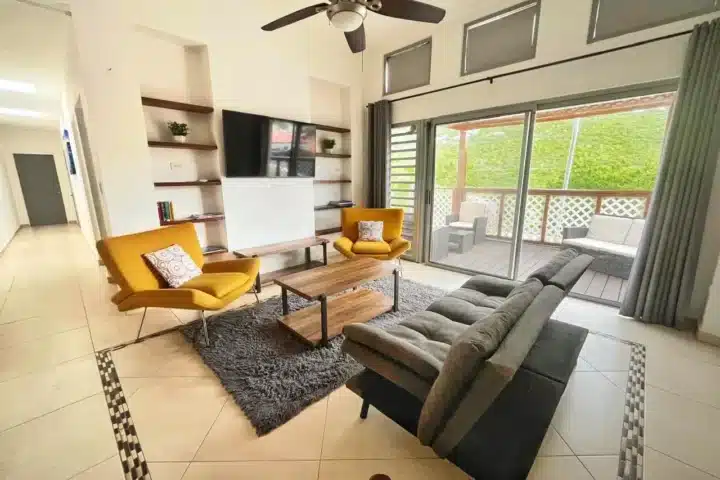
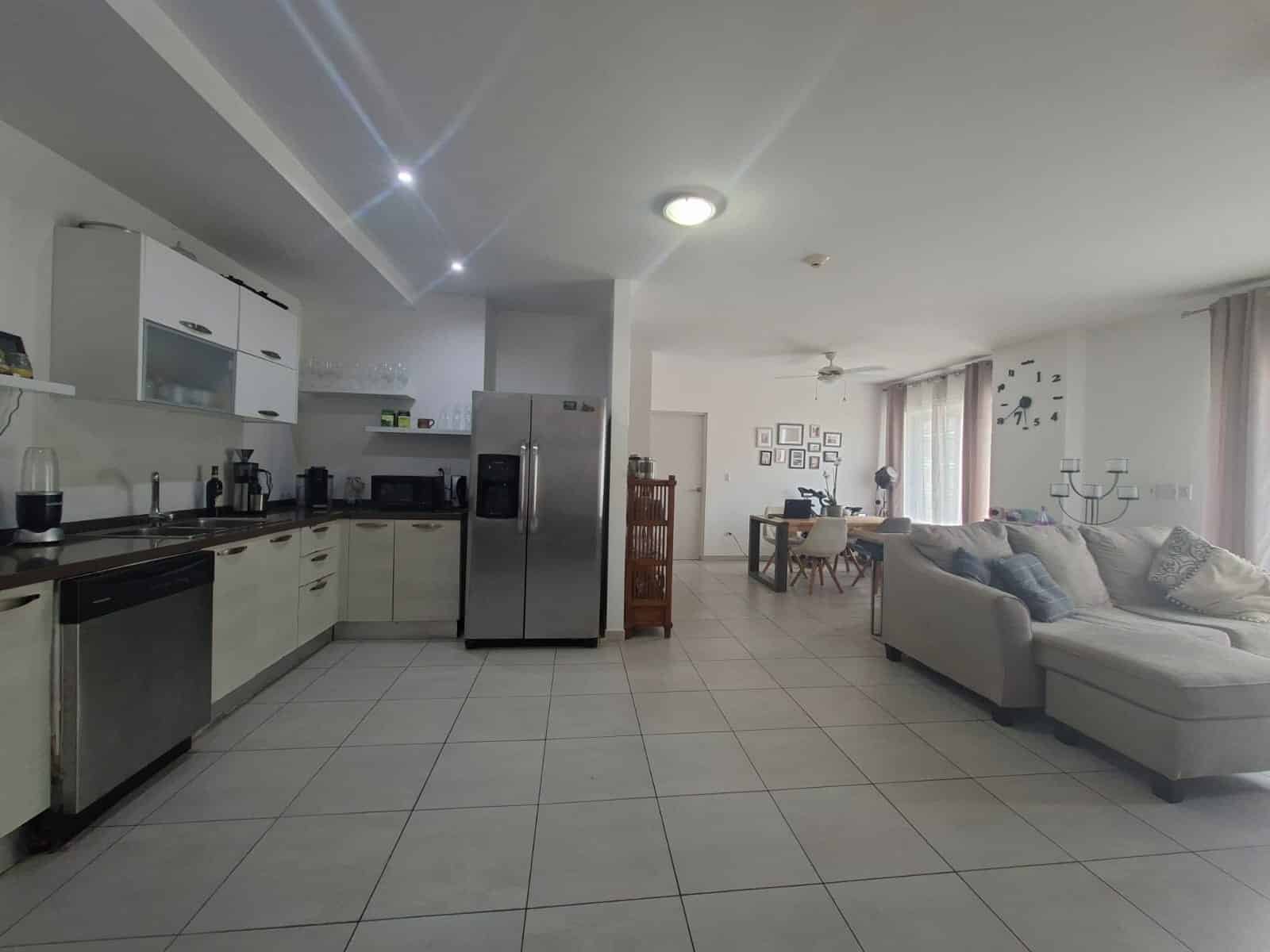
Most Mullet Bay listings fall into a handful of categories: studio and one-bedroom resort condos aimed at rental investors, larger two- and three-bedroom units for families, and a smaller pool of private villas on the fringes of the resort footprint. Condo units in established resort buildings often come with shared amenities like pools, on-site management, and beach access that simplify rental operations for absentee owners.
- Resort condos. Studios to three-bedroom units, often with existing rental management infrastructure in place.
- Villas. Fewer in number, typically set back from the immediate beachfront or near the golf course fairways.
- Fractional and timeshare units. Present in some older Mullet Bay resort buildings, worth distinguishing from full ownership before making an offer.
Pricing Trends and What Drives Value
Pricing in Mullet Bay is shaped by proximity to the beach, unit size, floor level and view, and whether the building has an active on-site rental program. As a general rule, beachfront and near-beachfront units command the highest per-square-foot prices on the island, while golf-course-facing or interior units trade at a discount despite still being a short walk from the sand.
Compared with Simpson Bay’s marina-front luxury villas, which sit at the top of St. Maarten’s price ladder, Mullet Bay tends to offer a more accessible entry point for buyers who still want genuine beachfront or near-beachfront positioning. This makes it a common comparison point for buyers weighing Simpson Bay vs. Cupecoy vs. Mullet Bay when narrowing a shortlist.
- Beachfront premium. Direct beach access units price highest per square foot on the island.
- View and floor level. Upper floors with ocean views typically outprice ground-floor or garden-view units.
- Rental program status. Units already enrolled in an active on-site rental pool often sell faster to investor buyers.
Financing and Currency Considerations
Sint Maarten uses the Netherlands Antillean guilder officially, but real estate transactions and pricing are almost universally quoted and conducted in US dollars, which simplifies budgeting for American and Canadian buyers. Local financing options exist through regional banks, but many international buyers choose to purchase in cash or arrange financing through a lender in their home country, since local mortgage terms can be less flexible than what buyers may be used to.
| Feature | Mullet Bay | Simpson Bay | Cupecoy |
|---|---|---|---|
| Typical Property Type | Condo resorts, villas, golf-adjacent homes | Marina condos, luxury villas, lagoon-front homes | High-rise condos, cliffside units |
| Price Positioning | Mid to upper-mid range | Premium to luxury | Upper-mid to luxury |
| Primary Draw | Beach, golf course, quieter resort feel | Marina lifestyle, nightlife, dining | Cliffside views, beach clubs |
| Rental Demand Driver | Golf tourists, beach families | Boaters, marina lifestyle buyers | Sunset views, resort amenities |
| Best Fit For | Buyers wanting beach plus golf without downtown crowds | Buyers wanting nightlife and marina access | Buyers wanting dramatic ocean views |
Buying Property in Mullet Bay as a Foreign National
Foreign nationals, including US citizens, can buy property in Mullet Bay and anywhere else in Sint Maarten without restriction, since the country places no nationality-based limits on real estate ownership. This open-door policy is one of the biggest draws of the Dutch side compared with some other Caribbean jurisdictions that impose foreign buyer taxes or ownership caps.
Can a US Citizen Buy a House in St. Maarten
Yes, a US citizen can buy a house in St. Maarten, on both the Dutch and French sides, with no special visa or residency requirement tied to the purchase itself. Ownership does not automatically grant residency or work rights, so buyers planning to live on the island full time should look into Sint Maarten’s separate residency permit process apart from the property purchase.
Freehold vs. Long-Lease Land
Many properties in Mullet Bay and other resort areas of Sint Maarten sit on long-lease land, a structure where the buyer owns the building or unit outright but leases the underlying land for a fixed term, often several decades, with renewal options. This differs from full freehold ownership, where both land and structure are owned outright, and buyers should have their attorney confirm which structure applies before signing any purchase agreement.
Long-lease arrangements are common across the Caribbean and are not inherently a red flag, but they do affect resale value, financing options, and long-term planning, so understanding the remaining lease term is essential due diligence.
- Freehold. Full ownership of land and structure, generally the simplest and most liquid option.
- Long-lease. Ownership of the building with a leasehold interest in the land, common in older resort developments.
- Lease term check. Always verify years remaining and renewal terms before purchase.
Closing Costs and Taxes to Budget For
Buyers should plan for transfer tax, notary fees, and legal fees on top of the purchase price, and together these typically represent a meaningful percentage that should be built into any offer calculation from the start. A local real estate attorney, separate from the seller’s agent, should handle title search, lien checks, and confirmation of the ownership structure before any deposit changes hands.
- Transfer tax. Charged on the property’s sale price at closing.
- Notary and legal fees. Cover title verification, contract drafting, and registration.
- Property tax. An annual obligation once the transfer is complete, generally modest relative to US property tax norms.

Rental Income and Vacation-Home Investment Potential
Mullet Bay generates rental income primarily through short-term vacation rentals during St. Maarten’s winter high season, when snowbirds and golf tourists drive occupancy well above the island’s summer average. Investors who buy condo units already inside an established rental program typically see faster time-to-income than those buying a standalone villa that needs its own marketing and booking infrastructure built from scratch.
Seasonality and Occupancy Patterns
St. Maarten’s tourism season peaks from roughly December through April, when North American and European visitors escape winter weather, and this is when Mullet Bay’s beachfront and golf-adjacent units command their highest nightly rates and occupancy. The summer and fall months, including hurricane season, see softer demand and lower rates, which owners typically offset by adjusting pricing or by using the property personally.
Understanding Rental Property Rules of Thumb
Investors researching Caribbean rental property often come across general real estate rules of thumb, and it is worth clarifying what these mean and how well they apply to a market like Mullet Bay. The 2% rule, common in US rental markets, suggests monthly rent should equal roughly 2% of the purchase price, a benchmark rarely met in resort or beachfront markets like St. Maarten where property values are driven by lifestyle and location rather than pure cash-flow math.
The 7% rule, sometimes cited in investment property discussions, is a variation on gross rental yield targets, again more common in mainland residential markets than in destination vacation-rental markets where buyers often accept lower cash yield in exchange for appreciation potential, personal use, and lifestyle value. The 3-3-3 rule, used more in stock and forex trading contexts, generally does not apply to real estate purchase decisions and buyers researching it in a St. Maarten context are usually better served focusing on occupancy data, comparable rental income, and total cost of ownership instead.
- 2% rule. A US rental benchmark rarely achieved in beachfront resort markets like Mullet Bay.
- 7% rule. A gross yield target more common in domestic rental analysis than Caribbean vacation markets.
- 3-3-3 rule. Primarily a trading concept, not a standard real estate investment metric.
Working With a Property Manager
A local property manager or rental agency familiar with Sint Maarten’s short-term rental licensing requirements is close to essential for absentee owners, since they handle guest turnover, maintenance, and compliance with any local tourism registration rules. Many Mullet Bay resort buildings already have an in-house or affiliated management company, which can simplify onboarding but is worth comparing against independent managers on fee structure and reporting transparency.
Mullet Bay vs. Other St. Maarten Neighborhoods
Mullet Bay differs from Simpson Bay and Cupecoy mainly in pace and amenity mix: it trades marina nightlife and cliffside drama for a calmer beach-and-golf resort atmosphere at a generally more accessible price point. Buyers deciding between Dutch-side neighborhoods should weigh lifestyle fit as heavily as price, since each area attracts a distinct type of renter and resident.
Simpson Bay: The Marina and Nightlife Hub
Simpson Bay is St. Maarten’s marina and entertainment center, packed with restaurants, casinos, and boat traffic in and out of Simpson Bay Lagoon. Property here, especially marina-front and lagoon-view units, sits at the premium end of the Dutch-side market and appeals to buyers who want an active, always-on social scene within walking distance.
Cupecoy: Cliffside Views and Beach Clubs
Cupecoy is known for its dramatic limestone cliffs, several popular beach clubs, and a cluster of higher-density condo towers with strong sunset views. It sits close to the border with the French side and tends to attract buyers prioritizing views and beach-club culture over the quieter, more spread-out feel of Mullet Bay.
Comparing to French-Side St. Martin Options
Buyers researching the broader market often compare Dutch-side options like Mullet Bay against French-side St. Martin real estate, including waterfront property in Grand Case, since the two sides of the island have different governing bodies, currencies, and legal systems despite sharing one landmass. The French side uses the euro and follows French property law, which involves different notary processes and potential French tax exposure, so buyers should not assume the purchase process is identical just because the island is shared.
Grand Case in particular has built a reputation as a dining and boutique-villa destination on the French side, offering a different lifestyle proposition than Mullet Bay’s golf-and-beach resort setup on the Dutch side. Which side suits a buyer better usually comes down to preferred currency, legal familiarity, and whether the goal is rental income, personal use, or both.
- Currency. Dutch side transacts in US dollars in practice, French side in euros.
- Legal system. French side follows French civil law and notary procedures, Dutch side follows its own property law.
- Lifestyle. Grand Case leans toward fine dining and boutique villas, Mullet Bay leans toward beach-and-golf resort living.
Tourism, Lifestyle, and Daily Life in Mullet Bay
Daily life in Mullet Bay centers on the beach, the golf course, and a short drive to Maho and Simpson Bay for dining, shopping, and nightlife, making it well suited to buyers who want resort amenities without living in the busiest part of the island. Full-time residents and long-term vacation-home owners generally describe the area as quieter than Simpson Bay while still being close enough to reach the airport, restaurants, and grocery stores within minutes.
Amenities and Nearby Conveniences
Mullet Bay sits close to Maho, which has grown into a compact hub of restaurants, a casino, and shops, giving Mullet Bay residents easy access to conveniences without the density of central Simpson Bay. Grocery stores, pharmacies, and medical facilities on the Dutch side are within a short drive, and the island’s overall size means most errands rarely take more than 20 to 30 minutes door to door.
Climate, Hurricane Season, and Practical Considerations
St. Maarten sits within the Atlantic hurricane belt, with the official season running from June through November, and buyers should factor storm risk, insurance costs, and building resilience into any purchase decision. Post-storm rebuilding after major hurricanes in past years has led to updated construction standards in newer developments, so asking about a building’s construction date and storm history is a reasonable due diligence step.
- Hurricane season. Runs June through November, affecting insurance pricing and personal-use scheduling.
- Building age and standards. Newer or renovated buildings often incorporate stronger storm-resistant construction.
- Insurance. Should be quoted and budgeted before finalizing any purchase decision.
Is a Mullet Bay Vacation Home Worth It
A Mullet Bay vacation home is generally worth it for buyers who value genuine beach access, golf course proximity, and a calmer resort atmosphere, and who are realistic about treating it as a lifestyle asset with rental income as a bonus rather than guaranteed high cash-flow. Buyers focused purely on maximizing rental yield may find other Caribbean or even other St. Maarten locations perform better on paper, but few offer the specific beach-plus-golf combination Mullet Bay provides on this island.
Frequently Asked Questions
Can a US citizen buy a house in St. Maarten?
Yes. US citizens can purchase property in St. Maarten, including in Mullet Bay, with no nationality-based restrictions, though ownership does not automatically confer residency rights.
What is the 7% rule for investment property?
The 7% rule is a rough benchmark suggesting a rental property’s annual gross rental income should equal about 7% of its purchase price, a guideline more common in mainland residential markets than resort destinations like Mullet Bay, where lifestyle value and appreciation often factor as heavily as cash yield.
What is the 3-3-3 rule in real estate?
The 3-3-3 rule is more commonly a trading or budgeting concept rather than a standard real estate metric, and it does not have a widely accepted application to vacation-home or rental property purchase decisions in markets like St. Maarten.
What is the 2% rule for rental property?
The 2% rule suggests a rental property’s monthly rent should equal roughly 2% of its purchase price, a benchmark that is rarely met in beachfront resort markets like Mullet Bay, where buyers typically pay a premium for location and lifestyle rather than pure cash-flow return.
Is Mullet Bay on the Dutch side or French side of St. Maarten?
Mullet Bay is on the Dutch side of the island, known as Sint Maarten, located near Maho and a short drive from Princess Juliana International Airport.
How does Mullet Bay compare to Simpson Bay for real estate investment?
Mullet Bay generally offers a lower entry price than Simpson Bay’s premium marina-front properties, while trading Simpson Bay’s nightlife and boating scene for a quieter beach-and-golf resort atmosphere.
Do I need a local attorney to buy property in Mullet Bay?
Yes, working with a local real estate attorney separate from the seller’s agent is strongly recommended to verify title, confirm whether the property is freehold or long-lease land, and handle notary and registration requirements.
What closing costs should I expect when buying in Mullet Bay?
Buyers should budget for transfer tax, notary fees, and legal fees on top of the purchase price, along with ongoing annual property tax once the transaction closes.
Is Mullet Bay a good area for vacation rental income?
Mullet Bay performs well for vacation rental income during St. Maarten’s winter high season due to its beach and golf course draw, though owners should expect softer demand during the summer and hurricane season months.
Is Mullet Bay Right for Your Next Investment
Mullet Bay earns its place among St. Maarten’s most searched real estate destinations because it delivers a combination few other neighborhoods can match: a long, calm beach, the island’s main golf course, and pricing that generally undercuts Simpson Bay’s premium waterfront while still sitting close to the airport and Maho’s dining scene. Buyers who understand the difference between freehold and long-lease land, budget realistically for closing costs and seasonality, and work with a local attorney and property manager tend to have the smoothest path from purchase to rental income.
Whether Mullet Bay outperforms Simpson Bay, Cupecoy, or a French-side option like Grand Case ultimately depends on whether you’re optimizing for lifestyle, cash flow, or a blend of both. The next step is straightforward: shortlist two or three active listings, request their rental history and lease-term documentation, and get a local attorney’s opinion before making an offer.