
Most articles about SXM real estate treat the island like a vacation daydream. Fair enough — it’s beautiful. But if you’re actually deploying capital, the question isn’t whether Sint Maarten is pretty. It’s whether the numbers hold up.They do, but not in the way people assume.
The tax setup is the real edge
This is where Dutch-side Sint Maarten quietly outperforms most of the Caribbean. There’s no annual property tax and no capital gains tax on the Dutch side. Compare that to the French side (annual property tax plus 33% capital gains) or most US and EU markets, and the holding-cost math starts to shift.
Closing costs run roughly 6–7% all-in — about 4% transfer tax and 2% notary, with an extra 1% if you take a local mortgage. Higher than the US on paper, but you pay it once and then the ongoing carrying costs are genuinely low.
What rental yields actually look like
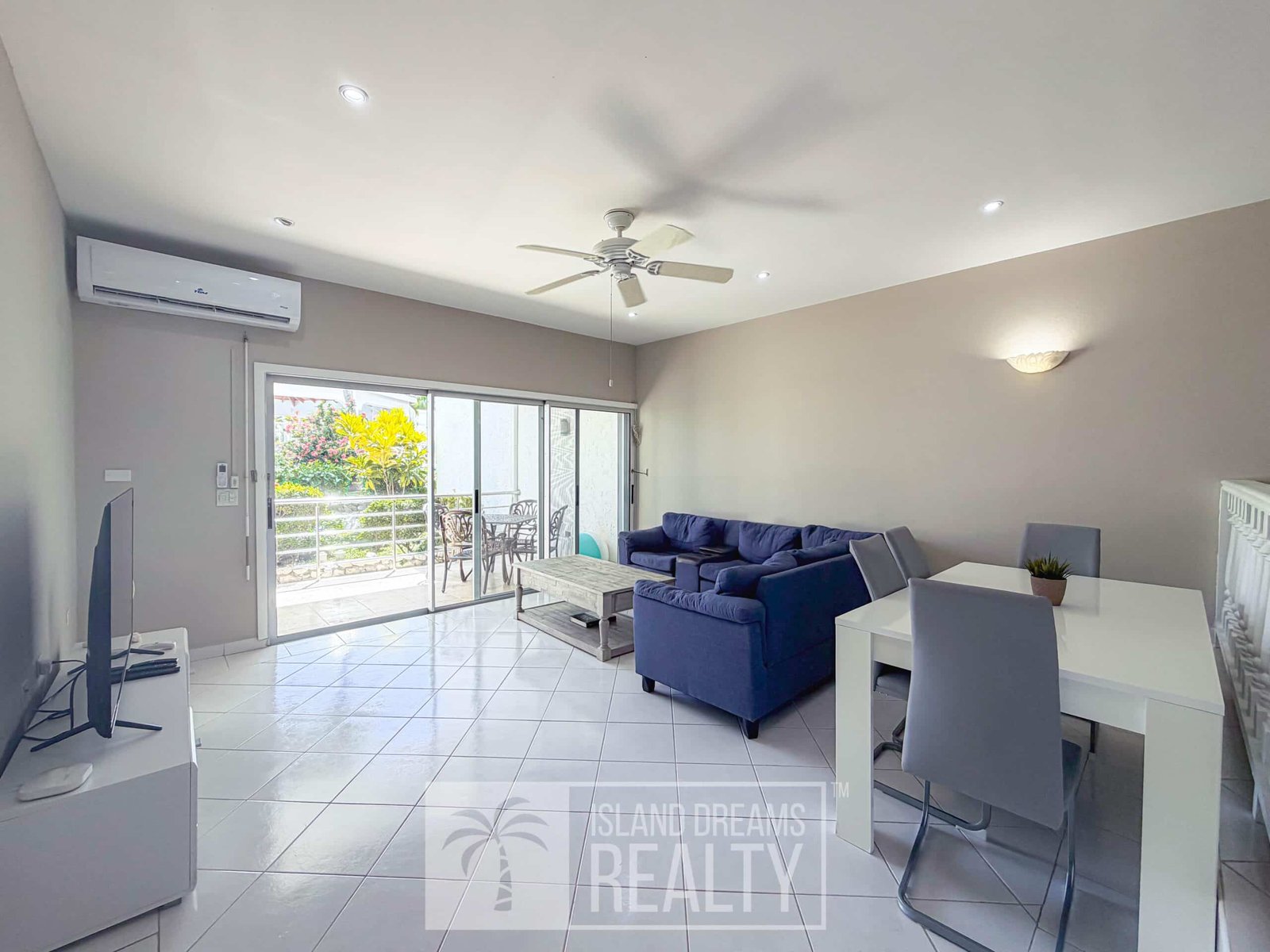
Gross yields on well-placed short-term rental condos typically run 6–10% depending on complex, location, and management. Villa yields are usually lower in percentage terms but higher in absolute dollars. The spread between a well-managed property and a passively-managed one is enormous — sometimes double.
High season (mid-December through mid-April) does most of the heavy lifting. A property that fills 80%+ of those weeks is usually on track for the year. Shoulder season has grown noticeably post-2023 as remote workers extend stays.
The costs people forget to price in
Insurance is the one that shocks mainland buyers. Hurricane coverage in the Caribbean isn’t cheap, and it’s gone up meaningfully since 2017. Budget carefully here — a well-built concrete home with hurricane shutters insures very differently from older wood construction.
Management fees for short-term rentals typically run 15–25% of gross. Utilities on island properties tend to be higher than buyers expect — AC runs year-round.
West side vs. east side — two different investments
The west side (Simpson Bay, Maho, Cupecoy, Cole Bay) is the rental-yield play. Higher density, higher prices, higher bookings. The east side (Dawn Beach, Oyster Pond, Guana Bay) is the lifestyle play — lower occupancy rates, but stronger appreciation on well-bought villas. Neither is wrong; they’re different instruments.
If you’re thinking about testing the market before buying, looking at our rentals available in Sint Maarten gives you a feel for what the actual lived experience is in each area — useful reconnaissance.
Where the quiet opportunities are
The interesting segments right now aren’t the obvious beachfront trophies. They’re:
• Mid-sized condos in walking-distance-to-beach complexes with strong HOAs
• Small multi-unit buildings (2–5 units) in rental-friendly zones
• Lots in gated communities where build costs still pencil out
Land is the patient-capital play. Builds take longer than on the mainland — materials, shipping, labor — but finished product in the right location moves.
For the full legal and procedural picture before you make an offer, our St Maarten real estate buying FAQ covers what non-residents specifically need to know about deposits, financing, and closing timelines.
The honest summary
SXM real estate isn’t a speculative market. It rewards buyers who think in 5–10 year horizons, pick well-managed complexes or well-built villas, and actually use the tax advantages the Dutch side offers. Hot-money flipping isn’t the game here. Steady income plus meaningful tax efficiency is.
FAQS
Is SXM real estate a good investment in 2026?
For buyers with a 5+ year horizon, the Dutch side offers competitive rental yields and strong tax advantages (no property or capital gains tax) that compare favorably to most Caribbean and mainland markets.
What rental yield can I expect on St Maarten property?
Well-located short-term rental condos typically return 6–10% gross annually. Yields depend heavily on management quality and complex reputation.
Are there property taxes in Sint Maarten?
No annual property tax or capital gains tax on the Dutch side. The French side has both.
What are closing costs on St Maarten real estate?
Roughly 6–7% total: 4% transfer tax, 2% notary fees, plus 1% for a local mortgage deed if financing.
Ready to make a move? Discover real estate in st maarten with Island Dreams Realty.