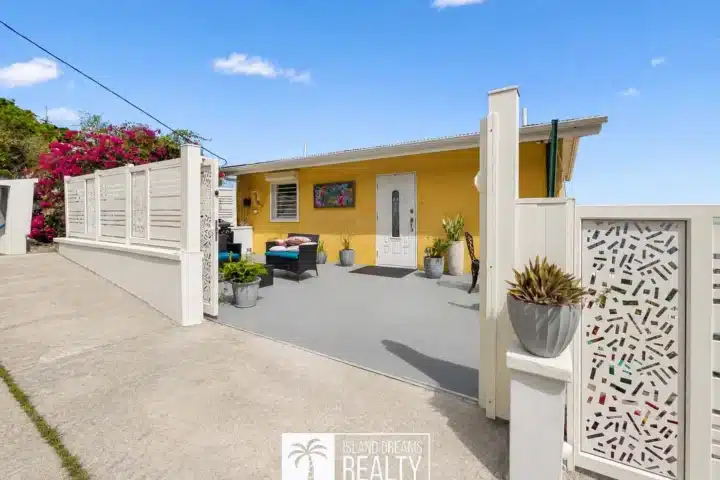

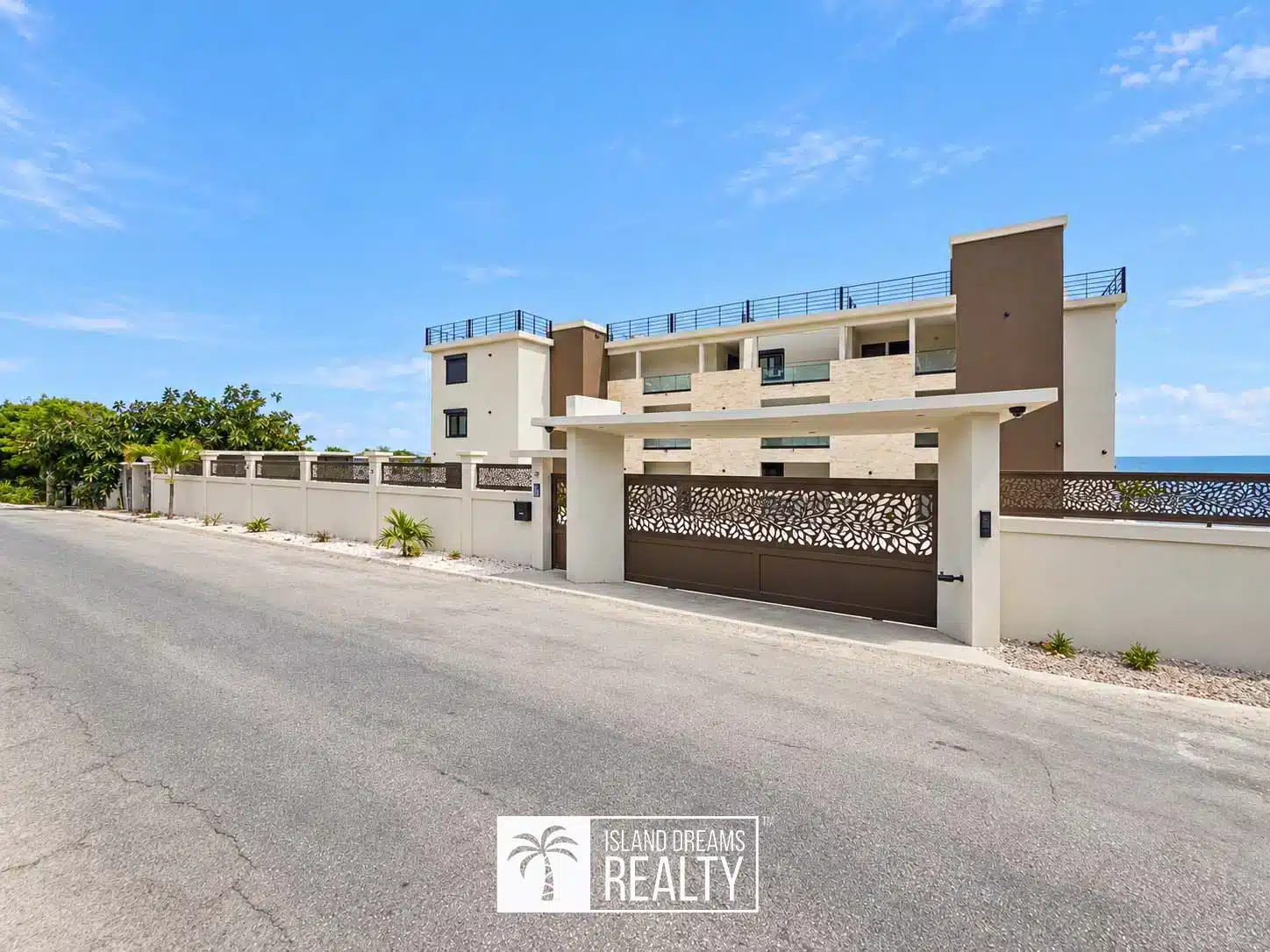
Closing on a home in Sint Maarten is the easy part compared to figuring out who to call first. Island Dreams Realty walks new homeowners through utility setup regularly, and the honest answer is that the order you do things in actually matters here more than it does back home.
This guide covers electricity, water, internet, and mobile service on both sides of the island — who the providers actually are, what things cost, and the practical sequence that saves you a second trip to an office you didn’t need to visit twice.
Table of Contents
- Why Utility Setup Deserves Its Own Guide
- Electricity: N.V. GEBE
- Water: Desalinated Seawater, Not Groundwater
- Internet and Mobile: TelEm and the Dutch-Side Options
- The French Side: A Genuinely Different System
- Setting Up in the Right Order
- Backup Power and Storm Season Planning
- Comparing Your Provider Options
- Common Setup Mistakes New Homeowners Make
- What to Expect at the GEBE and TelEm Offices
- Water Pressure and Storage: What Newer Buildings Do Differently
- Bandwidth Considerations for Remote Workers
- Setting Up Home Security and Smart Systems Alongside Utilities
- Waste Collection and Other Municipal Services
- A Realistic Timeline for Getting Fully Set Up
- Neighborhood-Specific Considerations
- Utility Setup Checklist for New Homeowners
- Frequently Asked Questions
Quick Answer: How Do I Set Up Utilities in Sint Maarten?
| On the Dutch side, electricity and water both come from N.V. GEBE, the island’s public utility since 1960, with rates running roughly $0.30–$0.40/kWh equivalent. Water is desalinated seawater rather than groundwater. Internet and mobile run through TelEm, the only local state-owned telecom provider, alongside competitors like Flow — and TelEm typically requires a GEBE utility bill as proof of address, so setting up electricity first is the practical order. The French side runs on a separate system entirely: EDF for power and Orange or DauphinTel for telecom. |
Why Utility Setup Deserves Its Own Guide
Utility setup on Sint Maarten isn’t complicated, but it is different enough from a mainland move that doing it in the wrong order costs you time. A single public utility handles both electricity and water on the Dutch side, water itself isn’t sourced the way most buyers assume, and the island’s only local telecom provider will often ask for proof of address that you can only get from utility number one. None of this is difficult once you know it — it’s just not obvious in advance.
Electricity: N.V. GEBE
N.V. GEBE (Gemeenschappelijk Electriciteitsbedrijf Bovenwindse Eilanden) has served Sint Maarten since 1960 and is the sole provider of both electricity and water on the Dutch side of the island. New account setup is handled through GEBE’s customer portal or in person, and typical residential rates run roughly $0.30–$0.40 per kWh equivalent — enough that a home running central air conditioning can see monthly bills in the $400–$700 range during the warmer months.
One detail worth planning around specifically: your first GEBE bill under your own name often doesn’t arrive until 6–10 weeks after you move in, and when it does, it typically covers a partial billing period at a higher initial tier. It’s common for that first bill to land in the $400–$700 range even if your ongoing monthly bill will run lower — budget for it rather than being caught off guard.
Water: Desalinated Seawater, Not Groundwater
Sint Maarten has no freshwater aquifers, so all municipal water on the island comes from desalinated seawater, produced and distributed by GEBE alongside electricity. It’s potable straight from the tap in most modern buildings, though some residents still prefer a filter or bottled water for taste rather than safety — a personal preference more than a necessity in newer construction.
Because desalination capacity and distribution pressure can vary by neighborhood and by property age, it’s worth asking specifically whether a home has a cistern or backup water storage, particularly for older properties or those further from the main distribution network. Newer developments increasingly build this in as standard rather than leaving it to the homeowner to retrofit.
Internet and Mobile: TelEm and the Dutch-Side Options
TelEm Group is Sint Maarten’s only local, state-owned telecom provider, offering fiber internet, mobile, and TV. Fiber plans generally run $80–$130/month for higher-speed tiers, and TelEm has been steadily expanding fiber coverage, including through empty conduits laid as part of the post-Irma underground cabling project — meaning fiber availability by street is genuinely improving over time rather than staying fixed.
Flow is the main Dutch-side competitor for both mobile and internet service, giving new homeowners a real choice rather than a single default. One practical note that surprises a lot of new owners: TelEm’s postpaid registration typically asks for a GEBE utility bill as proof of residential address — which is the specific reason setting up electricity before telecom saves you an extra trip.
The French Side: A Genuinely Different System
If you’re weighing a French-side neighborhood like Bellevue alongside Dutch-side options, it’s worth knowing the utility landscape is entirely separate. Electricity on the French side runs through Electricité de France (EDF) rather than GEBE, and telecom runs through Orange or DauphinTel rather than TelEm or Flow. Provider setup, billing cycles, and customer service all follow the French system, not the Dutch one — a genuinely different process alongside the different notarial and tax procedures that come with a French-side purchase.
Setting Up in the Right Order
Given how these providers connect to each other, there’s a genuinely practical sequence for a new Dutch-side homeowner:
- Set up GEBE first — electricity and water together, since this generates the utility bill that doubles as proof of address for almost everything that follows.
- Register for TelEm or Flow next, using your new GEBE bill (or a recent one, if the account is still transferring) as your address documentation.
- Confirm fiber availability at your specific address before assuming a high-speed tier is available — coverage is expanding but isn’t universal yet, particularly in older or more remote neighborhoods.
- Budget for a higher first GEBE bill 6–10 weeks in, rather than assuming your very first bill reflects steady-state usage.
- If you’re on the French side, start with EDF instead, and expect Orange or DauphinTel registration to follow a separate process entirely from anything on the Dutch side.
Backup Power and Storm Season Planning
Given the island’s hurricane exposure, backup power is less of a luxury add-on here than it might be elsewhere. Many long-term residents install solar, which typically pays back its upfront cost in roughly 5–7 years given local electricity rates, making it a genuinely practical investment for anyone planning to stay multiple years rather than a purely environmental choice.
A generator remains the more common near-term solution for storm-season outages specifically, since solar without battery storage still depends on grid connection for continuous power at night. If you’re buying in a newer development, it’s worth asking whether backup power or generator hookups were built in during construction — a meaningfully easier retrofit question to answer before closing than after.
Comparing Your Provider Options
On the Dutch side, the practical choice for most new homeowners isn’t whether to use GEBE for power and water — that’s a monopoly by design — but which telecom provider to choose between TelEm and Flow, and which internet tier actually matches your household’s usage. A household doing occasional email and streaming doesn’t need the same tier as one running a remote-work setup with multiple video calls daily; TelEm and Flow both offer tiered plans, and it’s worth having your actual usage pattern in mind before a sales conversation rather than defaulting to the top tier out of caution.
Bundling mobile and home internet through the same provider can simplify billing, but it’s worth comparing bundled pricing against separate providers for each service specifically — the cheapest bundle isn’t always cheaper than the best individual plans for your actual usage.
Common Setup Mistakes New Homeowners Make
A few avoidable missteps come up repeatedly with new Sint Maarten homeowners:
- Registering for internet before electricity, then discovering the address-verification requirement and having to make a second trip once the GEBE account exists.
- Assuming the first utility bill reflects ongoing costs, then being caught off guard by the higher initial-period charge that typically lands 6–10 weeks after move-in.
- Not confirming fiber availability at the specific address before signing up for a high-speed plan, only to find the actual available tier is slower than expected.
- Overlooking cistern or water storage questions on an older property, then discovering pressure or supply issues during the first dry spell.
- Treating French-side and Dutch-side utility setup as interchangeable, when they’re run by entirely separate providers with separate registration processes.
What to Expect at the GEBE and TelEm Offices
For buyers coming from markets where utility setup happens entirely online, it’s worth setting expectations for the in-person side of the process on Sint Maarten. GEBE account setup typically requires a visit to a customer service location with proof of ownership or a lease, along with government-issued identification, and processing can take anywhere from same-day to a few business days depending on the office’s current volume. TelEm’s registration process follows a similar in-person pattern, though both providers have been expanding online account management over recent years.
Bringing photocopies of your identification and property documents to your first visit, rather than only the originals, tends to speed things along — a small preparation step that saves a return trip if an office wants to keep documentation on file.
Water Pressure and Storage: What Newer Buildings Do Differently
Because desalination and distribution pressure can vary across the island’s terrain — hillside neighborhoods and areas further from GEBE’s main lines sometimes see more pressure variability than flatter, more central areas — newer developments increasingly build in their own water storage and pressure-boosting systems as standard, rather than leaving buyers to discover and solve the issue after move-in. This is worth asking about directly for any hillside property, given how many of the island’s newer developments — from Betty’s Estate to Pelican Key — sit on elevated terrain specifically for the views it provides.
Bandwidth Considerations for Remote Workers
If you’re setting up utilities specifically to work from home, treat internet tier as a work tool rather than an entertainment upgrade. A household running multiple simultaneous video calls, cloud backups, or large file transfers needs meaningfully more bandwidth than one that’s mostly streaming in the evening, and TelEm and Flow’s higher fiber tiers exist specifically for that use case. Our connectivity varies most consistently by area — Simpson Bay, Cupecoy, Maho, and Pelican Key generally see the most consistent fiber buildout, which is worth cross-referencing with this utility setup process if connectivity is a top priority in your neighborhood choice.
It’s also worth asking a seller or landlord directly what internet tier the previous occupant used and whether they experienced any reliability issues, particularly during peak season when the island’s overall network load increases with seasonal residents and visitors.
Setting Up Home Security and Smart Systems Alongside Utilities
For buyers in newer, technology-equipped developments, utility setup and smart-home setup often happen in the same visit or two, since many modern systems — smart thermostats, security cameras, app-based access control — depend on both stable power and a working internet connection to function as intended. It’s worth sequencing this deliberately: get GEBE and your internet provider fully operational first, then configure any smart home systems, rather than trying to troubleshoot a security camera’s connectivity before you’ve confirmed the underlying internet service is stable.
Waste Collection and Other Municipal Services
Beyond power, water, and telecom, new homeowners also need to establish waste collection, which on Sint Maarten is generally arranged either through the district’s municipal collection schedule or, in some private developments and gated communities, through a contracted service included in HOA fees. It’s worth confirming which system applies to your specific property during closing rather than after your first week of accumulated household waste — collection schedules and requirements (bin type, collection days) vary somewhat by district.
If you’re in a condo or HOA-managed community specifically, many of these municipal-adjacent services — waste, common-area landscaping, sometimes even a portion of security — are often bundled into the HOA fee rather than requiring separate setup, which is one more reason to review your specific building or community’s HOA documentation closely before closing rather than assuming it mirrors a neighboring property.
A Realistic Timeline for Getting Fully Set Up
Most new homeowners can expect electricity and water through GEBE to be active within a few days of application, assuming documentation is in order. Internet and mobile registration through TelEm or Flow typically follows within a similar window once your GEBE account exists, though actual fiber installation — if it requires new physical infrastructure to your unit — can take longer, particularly in less-developed areas. Budgeting one to three weeks for full utility setup, including your first genuinely representative bill cycle, is a realistic expectation rather than assuming everything will be seamless on day one.
Neighborhood-Specific Considerations
Newer developments like Country Gardens at Betty’s Estate are increasingly built with smart home technology integrated from the start, which can simplify utility monitoring and setup considerably compared to retrofitting an older property. Established, more central neighborhoods like Madame Estate and Dutch Cul-de-Sac generally sit on more mature grid infrastructure, simply by virtue of being longer-settled areas, though the post-Irma underground cabling project has specifically targeted select residential streets rather than the whole island at once — worth asking directly whether your specific street has been upgraded yet.
Utility Setup Checklist for New Homeowners
- Set up a GEBE account for electricity and water as your first call after closing.
- Confirm whether your property has cistern or backup water storage, especially if it’s an older build.
- Register for TelEm or Flow using your GEBE bill as proof of address.
- Confirm fiber availability specifically at your address before committing to a high-speed plan.
- Ask whether the property has backup power or generator hookups already installed.
- If buying on the French side, budget separate time for EDF and Orange/DauphinTel setup rather than assuming Dutch-side timelines apply.
Frequently Asked Questions
1. Who provides electricity in Sint Maarten?
N.V. GEBE provides both electricity and water on the Dutch side of the island, and has done so since 1960. The French side uses EDF instead.
2. Where does Sint Maarten’s water come from?
Desalinated seawater. The island has no freshwater aquifers, so all municipal water is produced through desalination rather than sourced from groundwater.
3. How much does electricity cost in Sint Maarten?
Roughly $0.30–$0.40 per kWh equivalent, which can put a central-AC home’s monthly bill in the $400–$700 range during warmer months.
4. Who is the main internet provider in Sint Maarten?
TelEm Group is the only local, state-owned telecom provider, offering fiber internet, mobile, and TV, with Flow as the main competing option on the Dutch side.
5. What do I need to sign up for internet service?
TelEm’s postpaid registration typically requires a GEBE utility bill as proof of address, which is why setting up electricity first is the practical order.
6. Is fiber internet available everywhere on Sint Maarten?
Coverage is expanding, partly through conduits laid during the post-Irma underground cabling project, but it isn’t universal yet — confirm availability at your specific address before committing to a plan.
7. Do I need a generator or solar power in Sint Maarten?
Given the island’s hurricane exposure, backup power is common. Solar typically pays back in 5–7 years for long-term residents, while a generator remains the more typical near-term solution for storm-season outages.
8. Are utilities different on the French side of the island?
Yes. The French side runs on EDF for electricity and Orange or DauphinTel for telecom — an entirely separate system from GEBE and TelEm on the Dutch side.
9. How long does it take to get my first electricity bill?
Your first GEBE bill under your own name often arrives 6–10 weeks after move-in and typically covers a partial period at a higher tier — budget $400–$700 for that first bill.
10. Should I bundle mobile and internet with the same provider?
It can simplify billing, but compare bundled pricing against separate providers for each service — the cheapest bundle isn’t always cheaper than the best individual plans for your actual usage.
11. What should I bring to set up a GEBE or TelEm account?
Government-issued identification and proof of ownership or a lease, ideally with photocopies as well as originals, since both providers generally require an in-person visit to open a new account.
12. Do hillside properties have different water pressure than flatter areas?
Sometimes, yes. Hillside neighborhoods and areas further from GEBE’s main distribution lines can see more pressure variability, which is why many newer developments build in their own storage and pressure-boosting systems as standard.
13. How is waste collection handled for new homeowners?
Generally either through the district’s municipal collection schedule, or in some private developments and gated communities, through a contracted service included in HOA fees — worth confirming which applies to your specific property at closing.
14. How long does full utility setup take for a new homeowner?
Electricity and water are usually active within a few days; internet and mobile registration typically follows a similar window, though fiber installation requiring new infrastructure can take longer. Budgeting one to three weeks for full setup is realistic.
15. What internet speed do I need to work from home in Sint Maarten?
It depends on usage — a household running multiple simultaneous video calls or large file transfers needs a meaningfully higher fiber tier than one mostly streaming in the evening. TelEm and Flow both offer tiers built for heavier remote-work use.
16. What’s the most common utility setup mistake new homeowners make?
Registering for internet before setting up electricity, then discovering TelEm’s address-verification requirement and needing a second trip once the GEBE account exists.
17. Who do I contact about utility setup when buying in Sint Maarten?
Sacha van den Bosch, broker at Island Dreams Realty.
About Island Dreams Realty
Island Dreams Realty is a Sint Maarten-based brokerage with leadership lineage dating back to 1979, led by Broker Sacha van den Bosch, President and Founding Member of the St. Maarten Real Estate Alliance, and affiliated with Century 21 St. Maarten. The team represents inventory across Sint Maarten, Saint Martin, and a further eleven Caribbean markets.
Closing on a home in Sint Maarten soon? Get neighborhood-specific utility guidance as part of your buying process. Free buyer consultation — no obligation.
Talk to Sacha van den Bosch | idr.sx